Table of Contents
Note: Click any speaker icon to hear smooth pronunciation, click images to enlarge, and click video banners to view them in popup windows.
Historical Background & Origin

The Tibetan alphabet was created in the 7th century AD, modeled after ancient Indian scripts of the era. The Tibetan Emperor Songtsen Gampo sent his minister, Thonmi Sambhota, to India to gather information on Buddhism and study Indian writing systems.
Upon arriving in India, using Brahmi scripts of the region (such as Devanagari) as a blueprint, he devised the first structured writing system for the Tibetan language.
This script features two main styles: Uchen (dbu-can) for print and books, and Ume (dbu-med) for everyday handwriting.
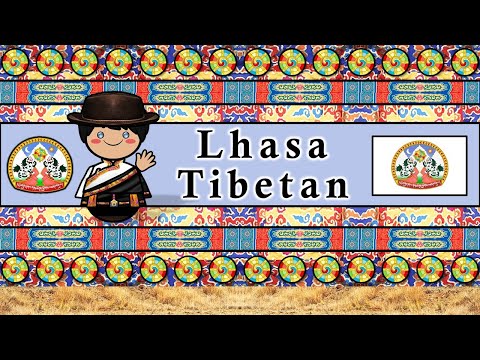
The Tibetan Alphabet (30 Consonants)
The Tibetan alphabet consists of 30 basic consonants. Below is the complete traditional table with their standard transcription:
| ཀ ka |
ཁ kha |
ག ga |
ང nga |
| ཅ tsa |
ཆ tsha |
ཇ dza |
ཉ nya |
| ཏ ta |
ཐ tha |
ད da |
ན na |
| པ pa |
ཕ pha |
བ ba |
མ ma |
| ཙ tsa |
ཚ tsha |
ཛ dza |
ཝ wa |
| ཞ zha |
ཟ za |
འ 'a |
ཡ ya |
| ར ra |
ལ la |
ཤ sha |
ས sa |
| ཧ ha |
ཨ a (zero consonant) |
||
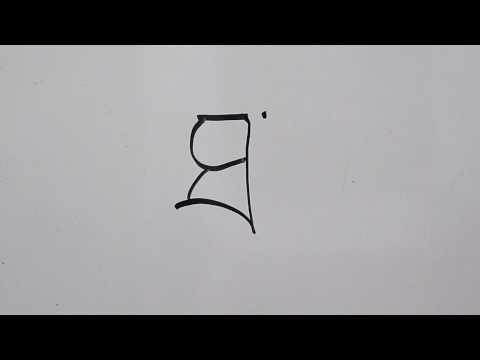
Language Structure & Grammar Basics
Tibetan is an agglutinative, verb-final (SOV) language. Sentences typically end with the verb.
- Vowels: Consonants inherently carry the vowel 'a', and 4 dependent diacritics modify them into i, u, e, o.
- Punctuation: Syllables use a dot called a tsek (་), and lines end with a shad (།).
Sample Phrases & Common Expressions
Language Family & Dialects

Standard Tibetan is based on the dialect of Lhasa, the capital of the Tibet Autonomous Region.
Ü-Tsang, Amdo, and Khams form the major branches of the Tibetan language family.
Knowledge Quiz
Test what you learned!
Which century is associated with the creation of the Tibetan alphabet?






0 Comments:
Post a Comment